


في العراق، حيث لا يزال التوجه الجنسي غير المغاير يُعاقب عليه اجتماعياً وقانونياً، تُصبح الحياة محفوفة بالمخاطر. إن قصة شاب عراقي، وجد نفسه بين ليلة وضحاها مطارداً من قبل عائلته وأجهزة الأمن معاً، هي شهادة حية على عمق الأزمة التي يواجهها أفراد مجتمع الميم عين+. رحلته، التي بدأت بوشاية بسيطة وانتهت بالنزوح القسري، تُسلّط الضوء على فشل الدولة والمجتمع في توفير أدنى مقومات الأمان.
قصة هروب م.
في مساء يومٍ من شهر يونيو 2025، انقلبت حياة شاب عراقي رأساً على عقب. كان كل شيء يسير على ما يرام، حتى علم أهله بميوله الجنسية عبر صديق له ” بسبب شعور صديقة بالغيرة لانه رأه مع شخص اخر ”
لم يكن هذا الأمر مجرد خلاف عائلي، بل تحول إلى تهديد حقيقي بالاعتقال والسجن.
تلقى الشاب اتصالاً من أخيه الأصغر يحذره من العودة إلى المنزل، مما جعله يدرك أن حياته في خطر. فما كان منه إلا أن فرّ مباشرة من بغداد إلى أربيل. وفي الأثناء، قام والده برفع دعوى قضائية ضد صديقه الذي وشى به، مما أدى إلى اعتقال الصديق. ومن خلال التحقيق معه، حصلت الشرطة على معلومات عن الشاب، بما فيها تفاصيل شخصية ومقاطع قد تدينه.
القانون كأداة اضطهاد
المفاجأة لم تكن في رد فعل العائلة، بل في سرعة تحوّل هذا الصراع الشخصي إلى قضية جنائية تُديرها الدولة. فبموجب قوانين العقوبات العراقية المبهمة التي تُجرم “الفعل الفاضح” و”الفسق والفجور”، أصبحت وشاية واحدة كافية لتحريك الأجهزة الأمنية. القصة تكشف عن استخدام هذه القوانين بشكل تعسفي ليس فقط ضد الشاب نفسه، بل حتى ضد أصدقائه، مما يؤكد أن النظام القانوني في العراق لا يوفر أي حماية لمجتمع الميم عين+، بل يُستخدم كأداة قمعية.
هنا، لعب القدر دوراً آخر عندما تواصل معه صديق يعمل ضابطاً في نفس المركز. نصحه الضابط بالهرب فوراً قبل أن يصدر بحقه أمر قبض. استأجر الشاب سيارة وقطع الحدود إلى إيران، حيث تواصل مع ضابط الشرطة للحصول على معلومات. عندما علم أخوه الأكبر بهروبه، هدد بتسليمه إلى رجال المقاومة بحجة أنه جاسوس، مستغلاً نفوذه في الأحزاب السياسية.
في إيران، رفضت السفارة التركية منحه تأشيرة. فاضطر للعودة إلى أربيل مباشره قام بحجز تذكرة وذهب الى لبنان لانها اقرب ولا تحتاج الى فيزا ! وبعدها بفترة قصيرة علم الاخ الاكبر بمكانـه وقام بتهديدة هذة المره بـ حزب الله ! فقام بالتواصل مجدداً مع صديقه الضابط لينصحه بالعودة الى العراق وبأنه سيقوم بترتيب موعد له للحصول على فيزا تركيا وحين عاد استقبله صديقه الضابط، الذي ساعده في ترتيب أوراق السفر. بعد يومين، تمكن من الحصول على تأشيرة والتوجه إلى تركيا براً. كانت رحلته إلى الأمان محفوفة بالمصاعب؛ فقد نام في الشوارع لعدة أيام، وهو الذي ينحدر من عائلة ثرية ولم يعتد على مثل هذه الظروف.
نتيجة لهذه الأحداث، ترك الشاب دراسة الطب التي كان على وشك إتمامها، ووجد نفسه وحيداً بعد أن قاطعه جميع أفراد عائلته، باستثناء والدته التي ما زالت تتواصل معه سراً، وهي تحذره من العودة خوفاً من مصير صديقه الذي ما زال في السجن ومن احتمال اعتقاله.
هذه القصة لا تُظهر فقط الخطر الذي يواجهه أفراد مجتمع الميم في العراق، بل تُبرز أيضاً مدى هشاشة الأمان عندما يتقاطع القانون والمجتمع والعائلة مع التمييز.
المصير القانوني للشاب المسجون
على الأرجح، يتم استغلال القوانين العراقية المبهمة التي تجرم المثلية بشكل غير مباشر لاتهام الشاب. أبرز هذه القوانين هو قانون مكافحة البغاء المعدل لعام 2024، الذي يُعاقب على “الترويج للمثلية” أو “الفعل الفاحش”. بما أن الشاب هو صديق مقرب للشخص الفار وتورط في القضية ولديهما فيديوهات مشتركة ، فإن السلطات قد توجه إليه اتهامات بالتحريض أو التواطؤ في “أفعال فاضحة” قد تصل عقوبتها إلى السجن لعدة سنوات.
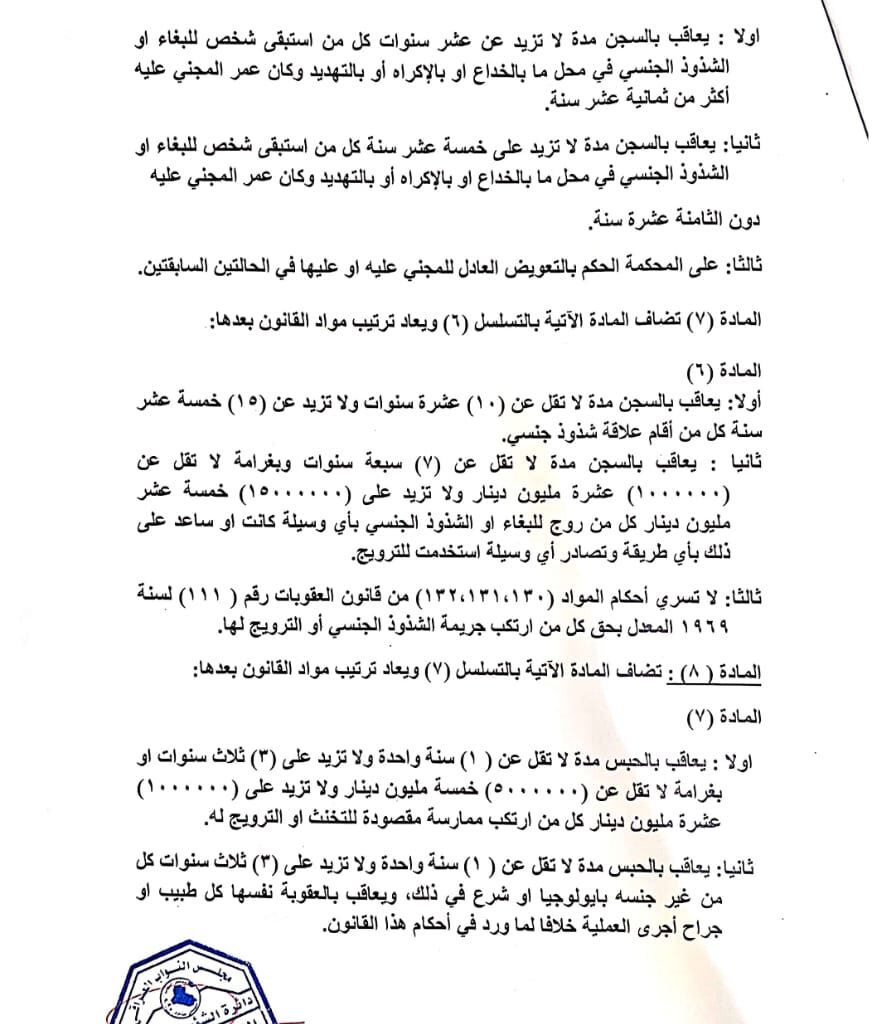
بالإضافة إلى العقوبة القانونية، يواجه الشاب في السجن مخاطر كبيرة، منها:
التعذيب: كما أشارت التقارير الحقوقية، تتعرض الفئات الضعيفة للتعذيب الجسدي والنفسي داخل السجون. – “بيع الحلوين”: جريمة منظمة خلف أسوار السجون العراقية
الابتزاز والاستغلال: قد يتعرض الشاب للابتزاز أو الاستغلال الجنسي، خاصةً في ظل وجود شبكات فساد داخل السجون.
المخاطر العشائرية والتهديدات الأمنية في حال العودة
تُعد عودة الشاب الفار إلى العراق خطراً لا يُمكن التنبؤ بعواقبه، حيث تتجاوز المخاطر الملاحقة القانونية إلى العنف العشائري الذي لا يمكن لأي قانون أن يمنعه.
العقاب العشائري: في المجتمع العشائري، تُعتبر المثلية “عاراً” لا يقتصر على الفرد، بل يشمل العائلة والقبيلة بأكملها. يُفرض على الأفراد المسؤولين عن “العار” تحمل مسؤولية “غسله” أو التخلص منه. وفي هذه الحالات، غالباً ما تُمارَس جرائم الشرف خارج نطاق القانون، حيث يتعرض الفرد للقتل على يد أقاربه. لا توفر الدولة أي حماية في مثل هذه الحالات، بل في أحيان كثيرة، تُغلق التحقيقات أو تُعطى الأحكام القضائية مخففة للجناة.
التهديدات الأمنية: إن تهديد الأخ باللجوء إلى نفوذه في الأحزاب والمقاومة لاتهام أخيه بالتجسس ليس مجرد تهديد عابر. فهو يربط القضية العائلية بالسياسة والأمن، مما يُشرعن العنف. هذه الميليشيات تُنفذ عمليات “عدالة خاصة” بعيداً عن أعين القانون، مما يجعل الشاب عرضة للاعتقال أو حتى الاغتيال المباشر دون أي مساءلة.
باختصار، لو عاد الشاب إلى العراق، فإنه سيواجه مصيرين محتمين: إما أن يُعاقب ويُسجن بموجب قوانين الدولة، أو أن يتم استهدافه بشكل مباشر من قبل عائلته أو الجماعات المسلحة، لتُصبح حياته في خطر دائم دون أي حماية من أي جهة.
نهاية مُعلّقة، وحياةٌ في الظل
إن قصة هذا الشاب ليست مجرد حكاية فردية، بل هي مرآة تعكس واقعًا كاملاً لمجتمع محاصر. فبينما يواجه صديقه في السجن مصيرًا غامضًا تحت وطأة قوانين متشددة، يجد هو نفسه مطاردًا حتى خارج وطنه. هذه النهاية المعلّقة، حيث لا أمان ولا عودة، تُلخص المعضلة التي يعيشها أفراد مجتمع الميم عين+ في العراق: إما المواجهة مع مجتمعٍ وقانونٍ لا يرحم، أو العيش في الظل، بعيدًا عن كل ما يملكونه، بحثًا عن حقهم الأساسي في الأمان.
كتابة : إدريس
Between the Anvil of Society and the Hammer of the Law: A Story of Survival from Persecution in Iraq
In Iraq, where non-heteronormative sexual orientation remains punishable both socially and legally, life is fraught with peril. The story of a young Iraqi man who, overnight, found himself pursued by his family and security forces alike is a powerful testament to the deep crisis faced by members of the LGBTQ+ community. His journey, which began with a simple betrayal and ended in forced displacement, highlights the failure of the state and society to provide the most basic security.
A Narrow Escape
On an evening in June 2025, a young Iraqi man’s life was turned upside down. Everything was going well until his family learned of his sexual orientation through an acquaintance. The “friend,” driven by jealousy after seeing him with someone else, told his father everything. What began as a family dispute quickly escalated into a genuine threat of arrest and imprisonment.
The young man received a call from his younger brother, warning him not to return home. Realizing his life was in danger, he fled Baghdad for Erbil. In the meantime, his father filed a legal complaint against the acquaintance, leading to the friend’s arrest. During the interrogation, the police obtained incriminating details and video clips about the young man.
Here, fate intervened. A friend who was a police officer at the same station contacted him, urging him to flee the country immediately before an arrest warrant could be issued. The young man rented a car and crossed the border into Iran, where he stayed in touch with the officer for updates. When his older brother found out he was in Iran, he threatened to report him to “the Resistance” as a spy, leveraging his influence within political parties.
In Iran, the Turkish embassy denied him a visa. He was forced to return to Erbil and, with no time to spare, he immediately booked a flight to Lebanon, the nearest destination that didn’t require a visa. Shortly after, his older brother discovered his location again, this time threatening him with Hezbollah. He once again contacted his police officer friend, who advised him to return to Iraq, promising to arrange a meeting for a Turkish visa. Upon his return, the officer met him and helped him with his travel documents. Two days later, he obtained the visa and traveled to Turkey by land. His journey to safety was filled with hardship; he slept on the streets for days, despite coming from a very wealthy family and not being accustomed to such a life.
As a result of these events, the young man abandoned his medical studies, which he was close to completing. He found himself alone, cut off from his entire family except for his mother, who continues to communicate with him in secret and warns him against returning. She fears he will face the same fate as his friend, who remains in prison, or be arrested himself.
This story not only illustrates the danger faced by LGBTQ+ individuals in Iraq but also highlights the fragility of safety when law, society, and family converge with discrimination.
The Legal Fate of the Imprisoned Friend
Most likely, vague Iraqi laws that indirectly criminalize homosexuality will be exploited to accuse the young man in prison. The most prominent of these is the Amended Anti-Prostitution Law of 2024, which punishes “promoting homosexuality” or “immoral acts.” Since he was the close friend of the man who fled, and they had shared videos, authorities may charge him with incitement or complicity in “lewd acts,” which can carry a prison sentence of several years.
In addition to legal punishment, the young man faces significant risks in prison:
- Torture: As documented by human rights reports, vulnerable individuals are subjected to physical and psychological torture inside prisons.
- Extortion and Exploitation: The young man may be subjected to blackmail or sexual exploitation, especially in the presence of corrupt networks within the prisons.
Tribal and Security Risks of Returning
The fugitive’s return to Iraq would be an unpredictable and life-threatening decision, as the risks extend beyond legal prosecution to tribal violence that no law can prevent.
- Tribal Punishment: In tribal society, homosexuality is considered a “disgrace” that affects not only the individual but the entire family and tribe. It is seen as the duty of male relatives to “cleanse” this shame. In such cases, “honor killings” are often committed outside the law, where the individual is killed by their relatives. The state offers no protection and, in many cases, investigations are closed or judicial sentences are lenient.
- Security Threats: The brother’s threat to use his influence in political parties and “the Resistance” to accuse his brother of being a spy is not a fleeting threat. It links a family issue to politics and security, legitimizing violence. These militias carry out their own form of “private justice” away from the eyes of the law, making the young man vulnerable to arrest or even direct assassination without any accountability.
In short, should the young man return to Iraq, he would face two likely fates: either be punished and imprisoned under state law, or be directly targeted by his family or armed groups, making his life in constant danger without any protection.
A Life in Limbo, a Future in the Shadows
This young man’s story is not an isolated incident; it is a mirror reflecting the reality of an entire besieged community. While his friend faces an uncertain fate in prison under strict laws, he finds himself a fugitive even outside his own country. This suspended ending, where there is no security and no return, encapsulates the dilemma of LGBTQ+ individuals in Iraq: either face an unforgiving society and law or live in the shadows, abandoning everything they own in search of their fundamental right to safety.
Written by: Idris
Add a Comment